
Childhood Myopia: Early Detection Protects Vision for Life
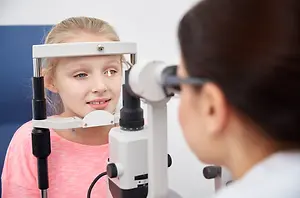
Many parents assume stronger glasses are simply part of growing up. While changing prescriptions are common, progressive myopia is more than a vision problem. It is a condition that changes how the eye develops and deserves careful attention throughout childhood.
At Allied Vision Plainsboro, Dr. Prapti Chandrani, along with Dr. Stefanie Hwang and Dr. Paul Neiheiser, partners with families to detect childhood myopia early, monitor eye growth over time, and recommend myopia treatments that support lifelong eye health. Our goal is to help every child enjoy clear vision while protecting their sight for the future.
What Is Childhood Myopia?
Childhood myopia, also called nearsightedness in children, occurs when the eye grows longer from front to back than it should. As the eye becomes longer, light focuses in front of the retina instead of directly on it. This causes distant objects to appear blurry while nearby objects remain clear.
Because myopia changes the physical structure of the eye, many eye care professionals describe it as an eye elongation disease rather than simply a need for stronger glasses. Glasses and contact lenses correct blurry vision, but they do not slow the eye's growth. That is why myopia management focuses on both clear vision and long-term eye health.
Why Does Myopia Develop?
Researchers believe childhood myopia develops through a combination of genetics and everyday visual habits. Children with one or both parents who are nearsighted have a greater chance of developing myopia themselves.
Environmental factors also play a role. Today's children spend more time reading, completing schoolwork, and using computers, tablets, and phones than previous generations. At the same time, many spend less time outdoors. Studies suggest these lifestyle changes may contribute to the worldwide rise in childhood myopia.
Families in communities like Plainsboro Township often place a strong emphasis on education and academic achievement. While reading and learning are valuable, balancing near work with outdoor play and regular breaks can help support healthy visual development.
Early Myopia Warning Signs Parents Should Watch For
Children often adapt to blurry vision without realizing anything has changed. They may assume everyone sees the world the same way they do. Parents and teachers are often the first to notice small changes that suggest a child's vision should be evaluated. Watch for these common signs of childhood myopia:
- Squinting frequently: Children may squint to see the classroom board, television, or street signs more clearly.
- Sitting very close to screens: Moving closer to the television or holding a tablet near the face may indicate blurry distance vision.
- Holding books too close: Children may bring books or homework unusually close while reading.
- Mixing up letters or numbers: Blurry distance vision or visual fatigue can sometimes make reading and schoolwork more difficult.
- Complaints of blurry distance vision: Your child may mention difficulty seeing the whiteboard at school or recognizing people from across a room.
- Frequent headaches or tired eyes: Eye strain after reading or schoolwork may signal that the eyes are working harder than they should.
- Teacher observations: Teachers are often among the first to notice when a child struggles to see the board, loses focus during visual tasks, or begins avoiding classroom activities that require clear distance vision.
Why Early Diagnosis Matters for Myopia Management
Childhood myopia often progresses as children grow, making early detection an important part of myopia management. While treatment cannot reverse myopia, it may help slow its progression and support your child's long-term eye health.
Regular eye exams for children allow our eye doctor to monitor eye growth and identify changes early. Children with a family history of myopia or other risk factors may benefit from comprehensive eye exams beginning as early as 2 to 3 years of age. Because children often adapt to blurry vision without realizing it, routine eye exams can detect changes before they begin affecting everyday life.
Doctors of Allied Vision Plainsboro share their Approach to Myopia Management
“Our role in each patient's life is to make their life a little bit better than what it was before they walked in here.”- Dr. Prapti Chandrani.
Every child's eyes develop differently, which is why myopia management should never follow a one-size-fits-all approach. Dr. Prapti Chandrani takes time to understand each child's prescription, eye growth, family history, lifestyle, and daily visual demands before recommending a treatment plan.
Low-Dose Atropine Eye Drops
Low-dose atropine eye drops are one of the evidence-based treatments available for children with progressive myopia. Used once each evening, these medicated eye drops may help slow the eye's growth over time. Dr. Chandrani carefully monitors each child's response to treatment and adjusts recommendations as their vision develops.
MiSight® 1 Day Contact Lenses
MiSight® 1-day contact lenses are FDA-approved soft contact lenses that both correct blurry vision and help slow myopia progression in eligible children. Because a fresh pair is worn each day, many families appreciate their convenience, comfort, and suitability for active children who participate in sports and other activities.
Essilor® Stellest® Ophthalmic Lenses
For children who prefer glasses, Essilor® Stellest® ophthalmic lenses offer another evidence-based myopia management option. These FDA-authorized spectacle lenses correct blurry distance vision while helping slow myopia progression in eligible children ages 6 to 12 when treatment begins.
Stellest® lenses have a clear central area that provides sharp vision, surrounded by tiny, nearly invisible lenslets. These lenslets create a special visual signal that helps slow excessive eye growth. In a two-year clinical study reviewed by the FDA, Stellest® lenses reduced myopia progression by an average of 71% and eye elongation by 53% compared with standard single-vision lenses.
A Personalized Plan for Every Child
The best treatment depends on the individual child. Some children may benefit from atropine eye drops, while others may be good candidates for MiSight® contact lenses. During your child's evaluation, Dr. Chandrani will discuss the available options and recommend a personalized myopia management plan based on your child's unique needs.
Myopia Tips: Supporting Healthy Vision at Home
Professional myopia management works best when paired with healthy daily habits. Small changes at home can help support your child's vision as they grow.
- Spend more time outdoors: Daily outdoor play has been associated with a lower risk of childhood myopia.
- Take regular breaks during near work: Encourage children to look away from books and digital devices throughout homework and screen time.
- Follow your child's treatment plan: Consistency with prescribed atropine eye drops or MiSight® contact lenses helps support treatment goals.
- Keep regular eye exams: Ongoing monitoring allows our eye doctor to track changes and adjust treatment as your child's eyes develop.
- Schedule an evaluation if vision changes: If your child begins squinting, complains of blurry distance vision, or their prescription changes quickly, don't wait until the next annual visit.
How Myopia Management Protects Your Child's Long-Term Eye Health
Managing childhood myopia is about more than reducing dependence on glasses. As myopia becomes stronger, the risk of certain eye conditions later in life may also increase, including glaucoma, retinal tears, retinal detachment, and myopic macular degeneration.
Dr. Chandrani will determine whether Stellest® lenses are appropriate based on your child’s age, prescription, eye health, myopia progression, and everyday visual needs.
That does not mean every child with myopia will develop these conditions. It does mean that slowing myopia progression during childhood may help support healthier eyes over the long term. Early diagnosis, regular monitoring, and personalized myopia management allow families to protect their child's vision for years to come.
Protect Your Child's Vision with Myopia Management in Plainsboro Township, NJ
Childhood myopia is about more than stronger glasses. It is a progressive condition that can affect your child's eye health for years to come. Early diagnosis, regular monitoring, and personalized treatment can help slow myopia progression and support healthy vision throughout childhood.
If you've noticed changes in your child's vision, or if there is a family history of myopia, now is the right time to schedule a comprehensive eye exam. Dr. Prapti Chandrani and the team at Allied Vision Plainsboro are committed to helping families make informed decisions that protect their children's vision into the future.
Book your child's eye exam to learn whether myopia management is the right next step for protecting their long-term eye health.
Myopia Management FAQs
What causes myopia to get worse?
Myopia often progresses as children grow. Genetics, increased near work, reduced time outdoors, and normal eye development all play a role in how quickly myopia progresses.
Is myopia hereditary?
Yes. Children with one or both parents who are nearsighted have a greater chance of developing myopia. Regular eye exams are especially important for children with a family history of the condition.
Can too much screen time cause myopia?
Screen time alone is not believed to cause myopia, but long periods of near work combined with limited outdoor time may contribute to its development and progression. Regular breaks and outdoor play help support healthy visual habits.
What are MiSight® contact lenses?
MiSight® 1-day contact lenses are FDA-approved daily disposable contact lenses that correct blurry vision while helping slow myopia progression in eligible children.
What Are Essilor® Stellest® Ophthalmic Lenses?
Essilor® Stellest® ophthalmic lenses are FDA-authorized prescription eyeglass lenses that provide clear vision while helping slow myopia progression in eligible children. Their specialized lenslets create a visual signal that helps manage excessive eye growth. Dr. Chandrani can determine whether Stellest® lenses are suitable for your child following a comprehensive myopia evaluation.
How do atropine eye drops work?
Low-dose atropine eye drops are used once each evening and may help slow the eye's growth in children with progressive myopia. Dr. Chandrani will determine whether this treatment is appropriate based on your child's individual needs.
At what age should my child have their first eye exam?
Children with risk factors, including a family history of myopia, may benefit from a comprehensive eye exam beginning as early as 2 to 3 years of age. Our eye doctor will recommend an examination schedule based on your child's needs.